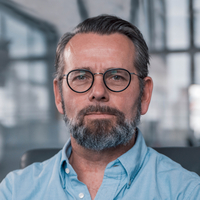
The coronavirus pandemic unexpectedly created the need to connect people from any location. Digital solutions had to be found for workshops, congresses and team events. 3pc Managing Director Armin Berger talks about how livestreaming events can offer real added value and how he sees the future of digital events.
How have you experienced the disruption caused by the coronavirus pandemic?
As the founder of a digital agency, I spend a lot of time looking at the state of digitalisation in Germany. As worried as I was about the pandemic, I recognised early on that this collective event would accelerate the digital transformation of our society enormously. We have learnt how to use digital tools and how much you can do with them. There is a new openness to digital experimentation. We can clearly feel this in view of the great demand for our expertise in events.
What needs have customers expressed?
At the beginning of the pandemic, it was mainly about keeping ongoing projects from coming to a standstill with digital workshops, training courses and team-building events. When it became clear that we would have to come to terms with the home office situation in the long term, increasingly complex formats began to play a role: how can we translate bar camps, conferences and congresses into digital formats? As part of the Berlinale, for example, we broadcast an awards ceremony and organised an interactive panel discussion for TEDx. For the Goethe Institute, we even realised an entire festival and an event with 120 participants from over 60 countries and 17 time zones. In short, we have organised everything from small internal events to live streams lasting several days.
We always think about our events from the perspective of the participants: Why are they there and what makes a positive experience for them?
What makes a good digital event?
We always think about our events from the perspective of the participants: Why are they there and what makes a positive experience for them? A lot can be deduced from this: Registration and participation must be easy to understand and convenient to use - and, above all, function smoothly from a technical perspective. During streaming, it is particularly important to create a real live feeling and provide variety and excitement. Many people find it exhausting to look at the screen and listen for a long time. These situations can be loosened up with opportunities for interaction, for example through live voting. There should also always be room for feedback - after all, we are all learning together.
What does this mean for planning?
A clear strategic direction is extremely important - as with any project: it's about understanding the organiser's goals, honing in on the target groups and analysing their needs. The concept can then be developed in line with the budget and resources available. Everything from the moderation to the inserts is determined there. You can think of it as a script for the event. Later, of course, we also take over the direction and production management and everything else that goes with it. Our aim is for the organiser to be able to concentrate fully on their audience.
And what role do digital tools play in this?
For us, it's always about the right combination of tools. There is rarely a one-fits-all solution. You can do a lot with well-known meeting tools such as Zoom or online whiteboards like Miro. Sometimes, however, a more formal and self-contained user interface is needed, such as a branded landing page on which the stream and the programme are embedded. Ticketing solutions can also be integrated. The technical setup is extremely scalable.
I am convinced that virtual formats will continue to accompany us in the future. After the pandemic, we will have a huge wealth of experience at our disposal that we need to review together.
Will digital events continue to accompany us after the pandemic?
Meeting people on site cannot be replaced by digital solutions. Nevertheless, we don't believe that the importance of virtual formats will decrease significantly. It's important that we don't try to translate analogue formats 1:1. Instead, we need to understand that digital gives us new opportunities to connect people across continents, collaborate in real time and produce valid results that can be easily processed.
What does this mean for the future?
After the pandemic, we will have a huge wealth of experience at our disposal that we need to review together. We should integrate what works well into our work processes in the long term. Certain formats will remain purely digital. Others will be organised as hybrid events, so that flexible participation is possible and a much larger audience can be reached. That will also pay off economically.