Der Bundesbeauftragte für die Unterlagen des Staatssicherheitsdienstes der ehemaligen Deutschen Demokratischen Republik
The beacon among the digital archives: the Stasi media library
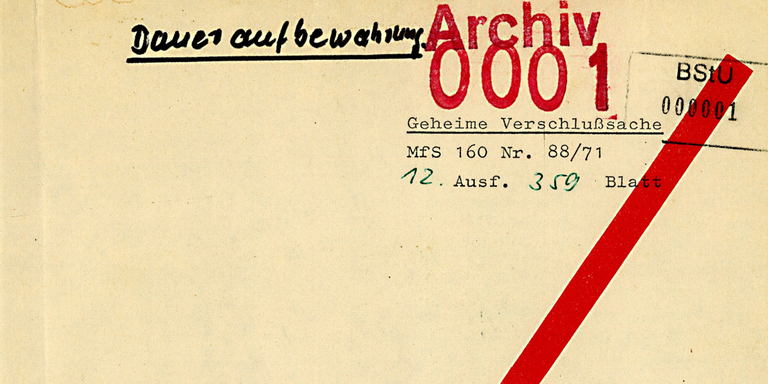
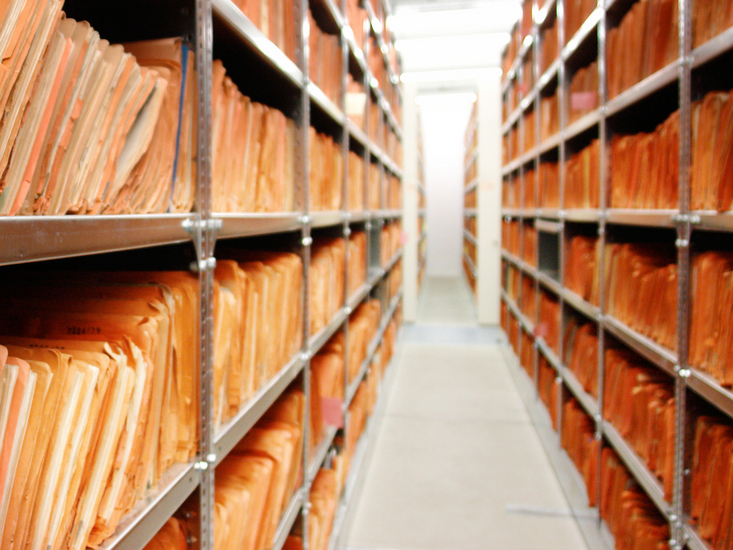
How can 111 kilometres of files, 1.7 million photos, tens of videos and audio tapes be successfully transferred to a digital archive?
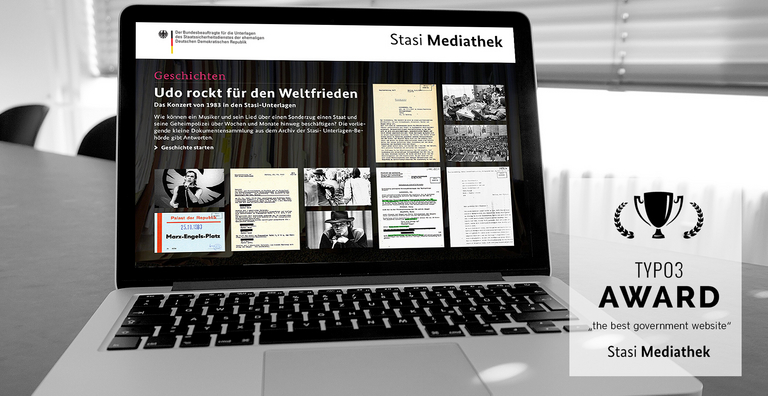
With the implementation of the award-winning Stasi Mediathek of the Stasi Records Authority, we have shown how it works in collaboration with retresco. Thanks to semantic search and storytelling, the extensive collection of original documents can now be made accessible in a meaningful and coherent way. The responsive media centre is a unique collection on the Stasi past, which has become accessible to everyone for the first time with the launch.
"With our concept of semantic storytelling, we make archives speak."
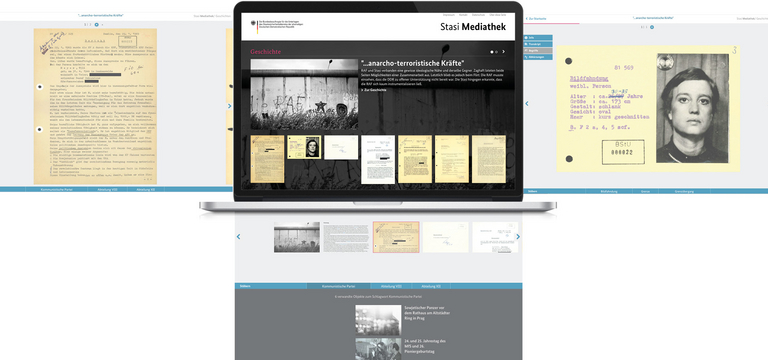
Dusted off: 3pc rethinks the digital archive
With the media centre, we have taken the files of the Stasi Records Office out of the archive cabinets and made them accessible to everyone for the first time. That in itself is a historic event, considering that these are Stasi documents that could not be more secret.
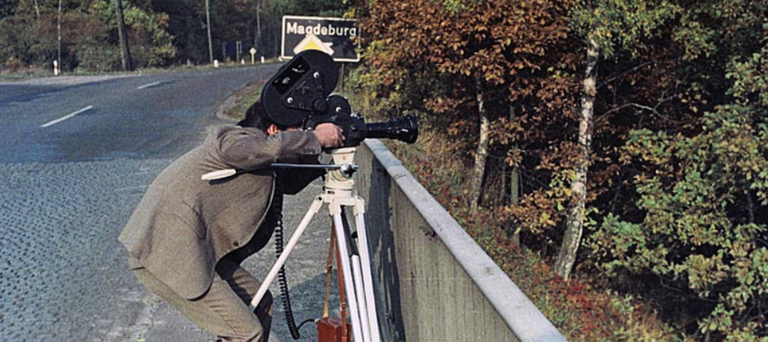
Between information and exploration
We deliberately chose a two-pronged approach for the design: users can search the database for specific content or explore the collection using stories and collections of topics. First, an editorial text categorises the events in their historical context. Then the files themselves document the course of events.
"A contemporary website for coming to terms with the SED dictatorship."
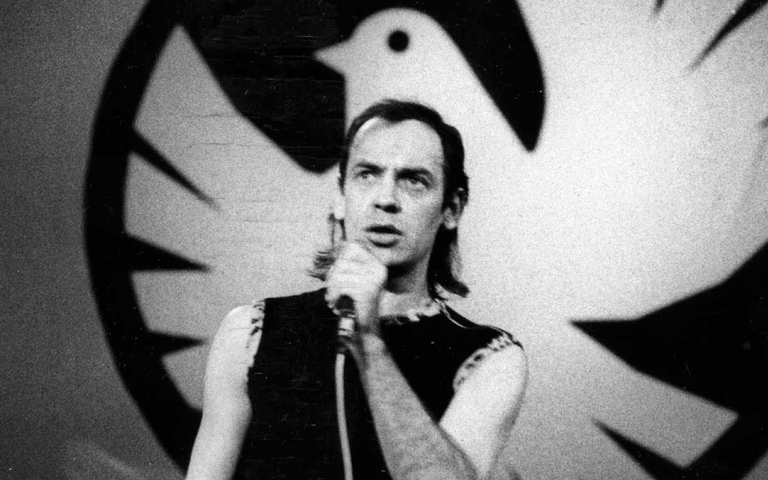
History becomes stories
The Udo Lindenberg file is one of numerous "stories" documented in the Stasi media library. It is one of the main topics covered by the editorial team. Numerous Stasi documents about Udo Lindenberg's closely guarded performance at the Palast der Republik on 25 October 1983 are also presented.
Bull's eye: the semantic search
The centrepiece of the website is a faceted search based on Apache Solr for TYPO3. In addition to the keyword search, which opens up all contents of documents, videos, audio files and image descriptions in full text, it offers the display of results in a timeline. This can be filtered by year, month and media type - an extremely useful tool for research that helps to make content accessible in a multidimensional and intuitive way.
Navigation via content contexts
Related content supplements the search results and invites users to explore, from document to document and from topic to topic. In this way, users find their own way through history and gain new insights.
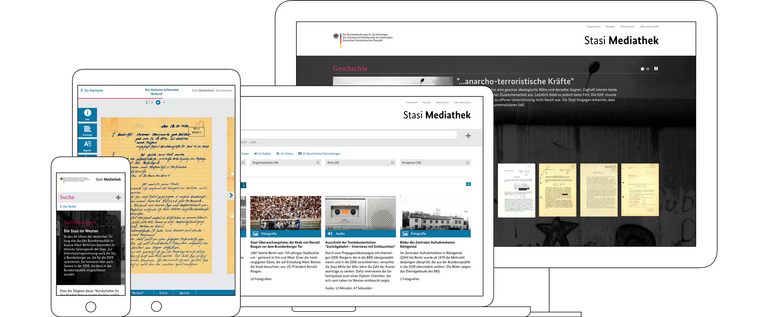
Research uncomplicated
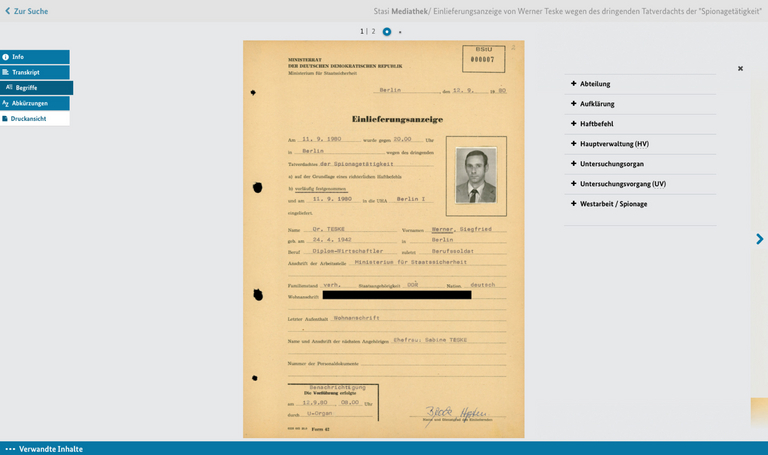
In the viewer view of a medium, users have access to various information and tools in a toolbox: texts that place the document in its historical context, archival metadata, transcriptions of manuscripts and audio tracks, image descriptions, explanations of terms, definitions of abbreviations and much more.
In 2016, the Stasi Mediathek is honoured with the TYPO3 Award as "best government website".